
Wall formwork is an essential component in the construction of concrete walls, significantly improving the quality and efficiency of building projects. In this article, we'll explore the key features, advantages and applications of wall formwork.

Wall formwork is a system used to mold concrete into specific shapes, primarily for creating vertical and horizontal structures. It is crucial in efficiently constructing walls, supports, and columns in buildings. Made from materials like metal or wood, wall formwork is easy to assemble on-site, allowing for the seamless integration of structures as the concrete is poured.
The main advantages of using wall formwork are increased construction efficiency and precision. This system enables the quick formation of uniform, high-quality concrete walls. Additionally, wall formwork is highly durable and reusable, helping to reduce costs.
Its flexibility allows it to be used in a variety of building types and sites, particularly in complex structures with intricate designs.
Wall formwork is suitable for large-scale construction projects, such as high-rise buildings, commercial facilities, and infrastructure developments. It is effective in settings where precision and durability are critical.
Additionally, wall formwork is well-suited for structures with complex shapes or those requiring a refined finish. The ability to customize wall formwork to meet specific site needs is another reason it is a preferred choice.
Explore formwork manufacturers, each offering specialized solutions tailored to different on-site needs and construction challenges.

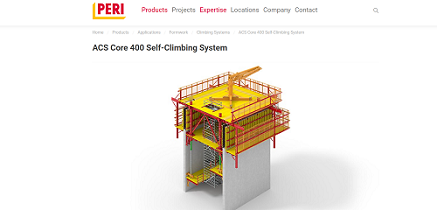
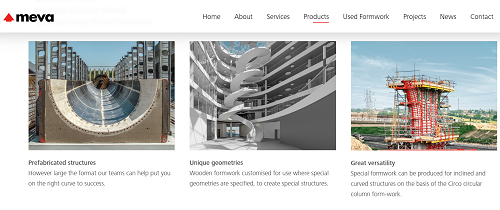
※We select companies that provide formwork suited to each type of building from those that have exhibited at World of Concrete in the past five years (2019-2024) as of June 21, 2024