
The lowest-priced formwork system is not always the lowest-cost system. Real ROI comes from labor hours, setup speed, reuse cycles, replacement frequency, waste handling, and weather-related rework.
Disposable plywood may cost less upfront, but repeated replacement and disposal can erode margins. Reusable systems such as Gatch FRP shift formwork from a recurring expense into a long-term jobsite asset.
This guide compares the factors that affect formwork ROI and explains where FRP can fit as a third option between disposable plywood and heavy-duty traditional systems.
Formwork ROI is shaped across the full job cycle: delivery, setup, pouring, stripping, cleaning, storage, reuse, and disposal.
The four factors with the biggest impact are work efficiency, durability, environmental cost, and weather resistance.
Labor is one of the biggest cost drivers on a U.S. jobsite. Every extra hour spent moving, assembling, stripping, cleaning, or replacing formwork affects margin.
A lighter, repeatable system can reduce the time crews spend handling panels and resetting forms between pours, especially on repeated layouts, tight schedules, or crew-limited jobsites.
Plywood may look economical at the time of purchase, but its value drops quickly when panels wear out, absorb moisture, lose surface quality, or need frequent replacement.
Gatch FRP is designed for 100 uses across 10 years, changing the material from a short-cycle consumable into a reusable asset that can support multiple projects over time.
Waste is not free. Disposable formwork creates recurring costs for hauling, sorting, landfill tipping, and jobsite cleanup.
Reusable formwork reduces the volume of material sent to disposal and can support project teams that track construction waste reduction or sustainability-related documentation.
Heat, humidity, rain, freezing conditions, and poor storage can affect panel shape, surface quality, and dimensional consistency.
FRP formwork is designed to resist moisture and corrosion-related deterioration, making it a practical option in regions where weather exposure shortens the life of traditional materials.
Engineered systems, plywood setups, and reusable FRP systems solve different cost problems. The right comparison depends on project scale, material performance, labor demand, and expected reuse.
This section compares formwork ROI through three lenses: brand fit, material performance, and long-term cost behavior.
Formwork brands differ in material type, system weight, assembly process, engineering support, after-sales service, repair options, product availability, and expected reuse cycles.
These differences affect the real cost of a system beyond the initial quote. Engineering-heavy systems often fit complex or large-scale projects, while material-focused systems can improve ROI when the same forms are reused across many pours.
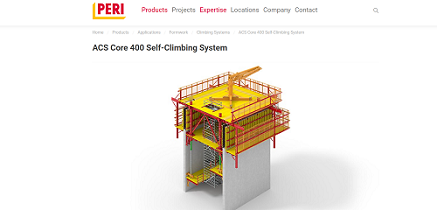
Doka and PERI provide useful benchmarks for established engineered formwork systems. Gatch FRP can be evaluated as a material-driven alternative focused on repeat use and cost per cycle.
Doka leads with an engineering-first model, emphasizing custom formwork design, planning support, digital tools, and a broad sales and logistics network. Its strengths are clearest when a project requires technical planning, system coordination, and reliable supply across a large or complex jobsite.
PERI works more like a full-range system partner, combining formwork, scaffolding, infrastructure solutions, panel products, accessories, engineering services, refurbishment, repair, and jobsite support. Its value is strongest when a contractor needs one supplier to support multiple construction phases with a wide product and service portfolio.
Smaller or repeat-use jobs often put more pressure on daily handling, setup speed, storage, repair, replacement frequency, and cost per use. In those cases, FRP systems such as Gatch offer a lighter material-driven option for contractors who need repeatability without moving into a larger engineered package.
Material choice changes how panels are stored, moved, assembled, cleaned, repaired, reused, and eventually disposed of.
Timber and plywood are familiar and easy to work with, but they can become replacement-heavy under moisture, rough handling, or repeated pours. Steel offers high durability, but it can add weight, equipment dependency, and corrosion concerns in harsh or coastal environments.
Steel is strong and durable, but its weight can slow handling and increase reliance on lifting equipment. Timber and plywood are lighter and inexpensive upfront, but they can warp, absorb moisture, lose finish quality, and become waste after a limited number of cycles.
FRP sits between these options, providing repeat-use value while reducing the waste pattern of disposable plywood and avoiding some handling challenges of heavier systems.
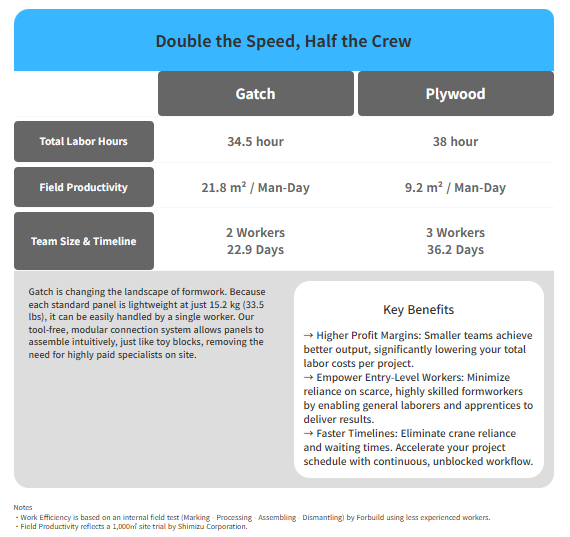
ROI simulation shows when a formwork system starts to recover its initial investment. Plywood may look cheaper at the first purchase, but the cost repeats every time panels are replaced, hauled away, and disposed of.
Gatch FRP requires a higher upfront investment than plywood, but the cost curve changes as the same panels are reused. Based on the Gatch ROI model, the initial cost gap can be recovered after roughly 30 to 40 reuse cycles.
After that break-even point, each additional use improves the return. Plywood starts cheaper, but its cost keeps accumulating. Gatch starts higher, but its cost per use keeps falling as the number of pours increases.
Plywood can look attractive when only the first purchase is considered. Repeated replacement adds new material, extra handling, disposal, and potential schedule disruption.
Gatch FRP is designed for 100 uses across 10 years. Projects with only a few pours may still favor plywood, but repeat-use projects can shift toward FRP once the system passes the 30-to-40-use break-even range.
Formwork ROI is best measured by cost per use, not cost per sheet. Initial cost, labor cost, replacement cost, waste cost, and rework risk should be compared against the number of productive uses the system can deliver.
Explore formwork manufacturers, each offering specialized solutions tailored to different on-site needs and construction challenges.

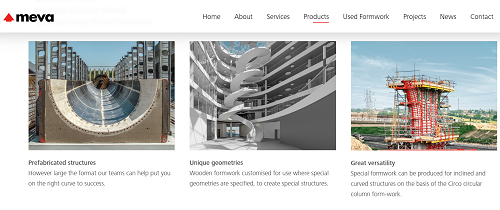
※We select companies that provide formwork suited to each type of building from those that have exhibited at World of Concrete in the past five years (2019-2024) as of June 21, 2024