
The U.S. construction industry continues to face a severe labor shortage.
Industry forecasts estimate that between 349,000 and 500,000 additional workers are needed to meet construction demand in 2026.
At the same time, construction wages continue to rise at rates exceeding inflation, increasing pressure on firms already struggling to fill positions.
For formwork contractors and project managers, labor availability is no longer simply an HR issue—it directly impacts productivity, project schedules, and profitability.
Understanding the scale of the workforce crisis is the first step toward finding practical solutions.
According to industry surveys, 92% of construction firms report difficulty filling open positions.
For many contractors, the challenge is no longer finding qualified workers—it is finding any workers at all.
Formwork crews are particularly vulnerable because projects often require physically demanding labor and specialized skills.
As workforce shortages persist, contractors increasingly face situations where available projects exceed their capacity to execute them.
Labor shortages are no longer an isolated staffing issue.
Approximately 45% of contractors report that workforce shortages have directly contributed to project delays.
When crews cannot be staffed adequately, productivity declines, schedules slip, and project costs increase.
For general contractors seeking reliable formwork partners, labor availability has become a key factor in subcontractor selection and project planning.
Competition for workers has pushed construction wages significantly higher.
Industry data shows construction labor wages increased by approximately 4.6% year-over-year, exceeding inflation rates.
While higher wages may help attract workers, they also place additional pressure on project budgets.
Contractors relying on labor-intensive formwork methods may find it increasingly difficult to maintain margins as labor costs continue to rise.
An April 2026 workforce surveys found that roughly one-third of construction firms reported direct or indirect impacts from increased immigration enforcement activities within the previous six months.
Even firms that do not intentionally employ undocumented workers may experience labor disruptions when subcontractors, staffing agencies, or labor pools are affected.
What may appear to be a regulatory issue can quickly become a workforce availability problem that impacts project delivery.
The construction workforce continues to age while fewer younger workers enter the construction industry.
Traditional plywood formwork methods often require experienced workers who can measure, cut, fabricate, and assemble forms accurately on site.
However, many contractors report difficulties replacing retiring craftsmen and training new workers fast enough to maintain productivity.
As the pool of experienced carpenters shrinks, labor-dependent construction methods become increasingly difficult to sustain.
Contractors need to adopt systems that reduce skill requirements and shorten training periods.
Source:
Is the Construction Industry Attracting Younger Workers? │ NAHB
[PDF]construction workforce age progression │ NCCER
Construction has historically been one of the industries with the highest reliance on undocumented labor.
The March 2026 updates to I-9 verification and enforcement practices have heightened compliance risks for employers and subcontractors alike.
Under stricter enforcement standards, documentation violations can lead to significant fines even before broader investigations occur.
As labor markets tighten, contractors who rely heavily on informal labor channels may find themselves exposed to operational disruptions.
Workforce strategies built around compliance and efficiency are becoming increasingly important.
Workplace accidents create substantial financial exposure regardless of an employee's immigration status.
Courts have repeatedly allowed undocumented workers to pursue injury-related claims, including compensation for medical expenses and lost earnings.
In many jurisdictions, employers cannot simply use a worker's immigration status as a defense against liability.
For contractors, this means labor shortages can create pressure to make risky hiring decisions that may later generate significant legal and financial consequences.
Reducing dependence on large labor pools can help lower these risks.
The labor crisis facing the U.S. construction industry is unlikely to disappear in the near future.
Skilled workers remain scarce, labor costs continue to rise, and regulatory pressures are increasing.
For formwork contractors, competing solely through recruitment may no longer be enough.
The most effective response is often reducing labor dependency through systemized construction methods.
Modern formwork systems can simplify installation, reduce training requirements, improve productivity, and help smaller crews accomplish more work.
If labor availability is limiting projects, the next step is evaluating alternative formwork systems that are designed for today's workforce realities.
Explore formwork manufacturers, each offering specialized solutions tailored to different on-site needs and construction challenges.

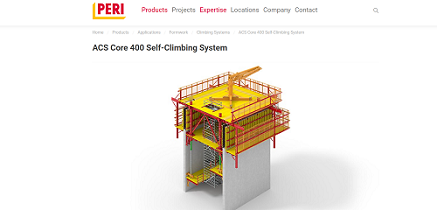
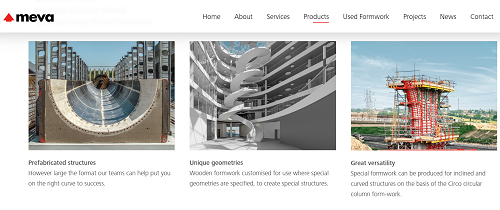
※We select companies that provide formwork suited to each type of building from those that have exhibited at World of Concrete in the past five years (2019-2024) as of June 21, 2024