
Labor shortages have become one of the most pressing challenges in the formwork industry. Experienced carpenters are increasingly difficult to recruit, while many job sites rely heavily on inexperienced workers who require additional supervision and training. As a result, installation times increase, productivity declines, and project schedules become harder to maintain. Contractors are under constant pressure to complete projects with fewer skilled workers. To remain competitive, many companies are seeking formwork systems that simplify assembly, reduce labor requirements, and help less experienced crews work more efficiently.
Traditional plywood formwork often generates significant waste throughout a project. Damaged panels are frequently discarded after limited reuse, creating a continuous stream of construction debris. While material costs are visible, many contractors underestimate the long-term impact of disposal expenses, including tipping fees, transportation, and labor associated with waste handling. These hidden costs can gradually erode project profitability. As sustainability requirements continue to increase, contractors are exploring reusable formwork alternatives that reduce waste generation while lowering overall lifecycle costs.
Many conventional formwork systems rely heavily on cranes for transportation, positioning, and installation. When crane availability is limited, crews often spend valuable time waiting for equipment instead of progressing with productive work. These delays can create bottlenecks that affect multiple trades and ultimately extend project schedules. In busy construction environments, every hour of crane downtime impacts labor efficiency and increases costs. Lightweight formwork systems that can be handled manually offer greater flexibility and help reduce dependency on critical lifting equipment.
Concrete surface quality has a direct impact on project costs. Traditional plywood formwork can absorb moisture, warp over time, or deteriorate after repeated use, contributing to inconsistent concrete finishes. Surface imperfections often require patching, grinding, or additional finishing work before project completion. Although these corrective measures are sometimes treated as routine expenses, they can represent a substantial labor cost across large projects. Contractors seeking greater efficiency are increasingly focused on formwork solutions that deliver consistent concrete finishes while minimizing rework requirements.
Safety remains a top priority on every construction site, yet heavy formwork components continue to create significant risks. Repeated lifting, carrying, and positioning of large panels can contribute to musculoskeletal injuries, including chronic back problems that reduce workforce availability. Accidents involving heavy equipment may also increase workers' compensation costs and create long-term financial liabilities for contractors. As labor shortages intensify, protecting skilled workers becomes even more important. Lighter, easier-to-handle formwork systems can help improve site safety while reducing physical strain on crews.
The challenges facing today's formwork contractors are interconnected: labor shortages, material waste, crane dependency, costly rework, and safety risks all place pressure on project profitability. Continuing to rely on traditional plywood or heavy crane-dependent systems may limit a company's ability to remain competitive. Modern formwork technologies are designed to address these issues simultaneously by improving efficiency, reducing waste, enhancing concrete quality, and supporting safer operations. The next step is evaluating which formwork system can deliver the greatest long-term value for your projects.
Explore formwork manufacturers, each offering specialized solutions tailored to different on-site needs and construction challenges.

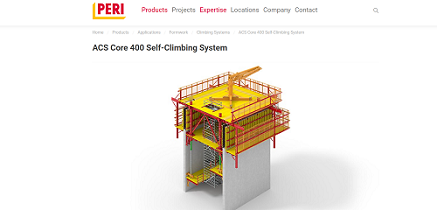
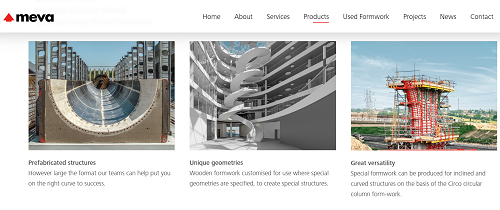
※We select companies that provide formwork suited to each type of building from those that have exhibited at World of Concrete in the past five years (2019-2024) as of June 21, 2024